All Categories
Featured


Executive Leadership Tips for Driving Agency Performance
Table of Contents
Something we know is that income operations leaders do not think their procedures are versatile or efficient enough to enable them to respond to altering market conditions. Forrester's Income Operations Study, 2024, found that 49% of earnings operations leaders believe their processes aren't versatile enough for quick reaction when conditions alter, and 46% believe their processes are mostly manual and lack automation.
Advances in AI technologies assure efficiency gains, game-changing developments, and a total reimagining of what's possible throughout all corners of GTM efforts. Yet companies depend on earnings operations operates to line up longer-term vision with smooth execution by taking charge at the crossway of GTM process, technology, and individuals to drive value for clients and internal stakeholders.

Revenue operations should steer the vision by actively applying AI throughout GTM processes to reap the guaranteed benefits. To take benefit of AI's pledge of increased productivity and lower expenses, organizations need information of quality, texture, and substance ideal to the job. Forrester's Income Operations Study, 2024, discovered that B2B organizations aren't there yet, with 38% of revenue operations leaders thinking that data lacking in accuracy and quality is among information users' leading difficulties.
Why Operational Excellence Becomes Critical for Firm Success
There's no much better expression of a company's priorities than where it applies its resources. To line up resources with 2026 imperatives, operations leaders should: AI is expected to unlock a host of new potential, but to take advantage of this minute, operations leaders require to stay concentrated on applying it to make their organizations more versatile, active, and adaptable.
Marketing Consulting for Service BusinessesLots of outdated B2B practices persist due to the established frame of mind of "that's the way it's always been done." Developing more adaptable, effective, and customer-obsessed GTM procedures require B2B companies to make space for the new by rooting out legacy financial investments that keep them locked in the past. Operations leaders can try to find cost savings by moving far from old sales role-plays, tactic-level marketing attribution, and unsuccessful pursuit of a single source of fact cutting across data sources.
Now's the time for positive earnings operations leaders to experiment with brand-new techniques that might drive flexibility. Develop experiments around adaptive planning, pilot new methods for effort prioritization, and work on data ontologies that can power AI efforts.
In today ambitious landscape, every group within marketing has its role to play in driving development, supporting sales, and enhancing operational efficiency. Today, in a fast-pathed software application company of practically 1,000 staff members with ambitious development targets, I see firsthand the importance and challenges of having a strong Marketing Operations group.
The battle is genuine, however the prospective impact is even greater! At its core, Marketing Operations drives the performance, scalability, and success of both sales and growth marketing efforts. This group is frequently accountable for establishing and handling CRM databases, refining lead scoring designs, assigning leads, analysing sales and marketing performance, and structure automation to enhance both sales and marketing efficiency.
Can Better Systems Scale Your Marketing Agency?
But in more youthful organisations, especially startups and scale-ups, Marketing Operations is frequently under-resourced and misconstrued. Source: Content Marketing Institute When Marketing Operations is totally leveraged, it acts as a powerful enabler, helping sales teams close deals quicker and growth marketing groups achieve greater rois. Without a strong Marketing Operations function, companies risk ineffective procedures, lost leads, unclear efficiency metrics, and missed out on growth opportunities.
Marketing Operations manages and optimises CRM information to make sure that sales and marketing teams have access to premium leads and accurate consumer details. Poorly handled databases result in lost resources, as sales groups might lose time chasing after cold or unreliable leads. Lead Task and Lead Scoring: When Marketing Operations effectively appoints leads and implements a strong lead scoring system, it makes sure that sales reps are spending time on leads that are probably to transform.
Performance Analysis and Reporting: Among the most important duties of Marketing Operations is determining and analysing marketing and sales performance. This consists of everything from tracking crucial performance indicators (KPIs) to comprehending which campaigns provide the finest ROI. By providing actionable insights, Marketing Operations empowers leaders to make data-driven choices, refine methods, and optimise budget plans.

Latest Posts
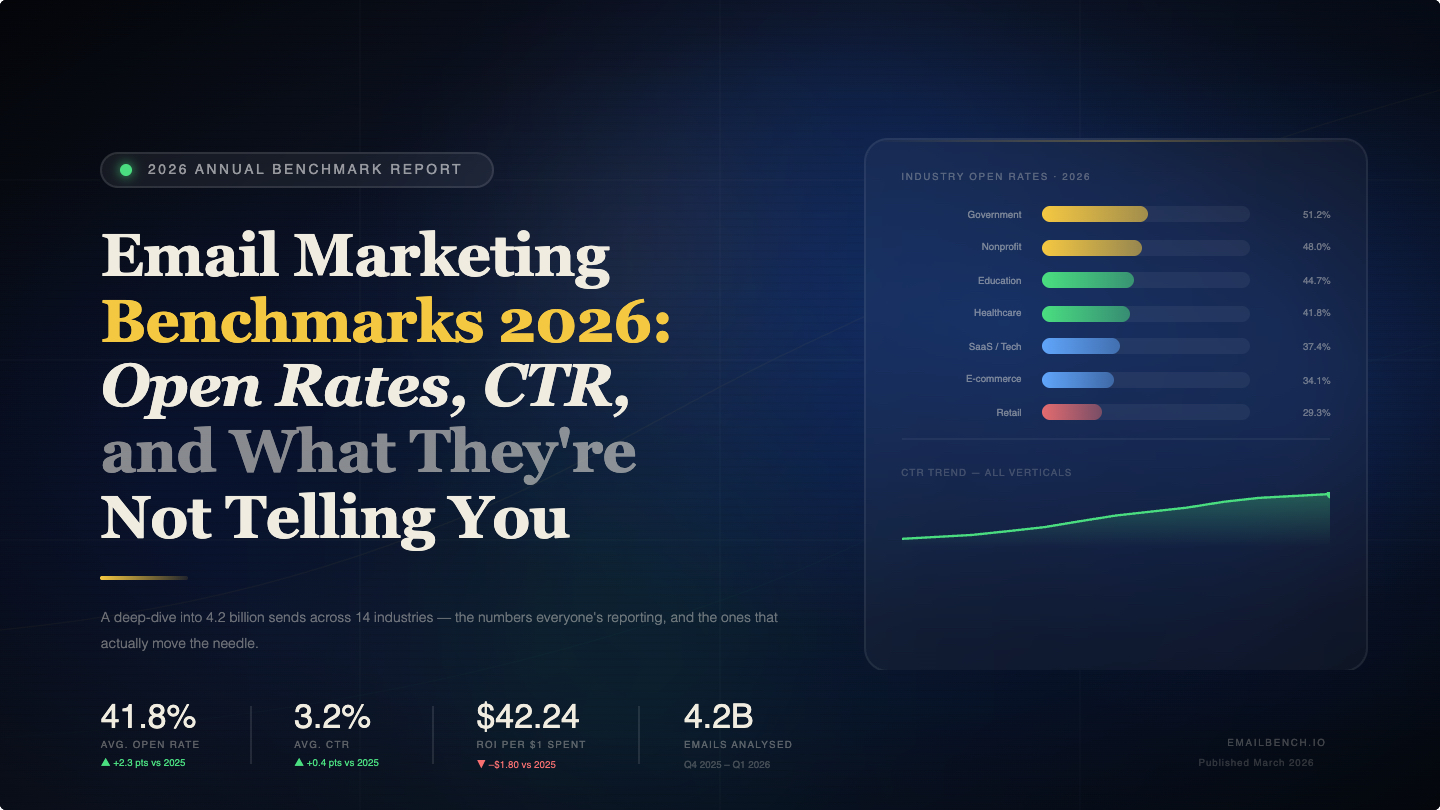
Evaluating Sector Growth Standards in the US
Future-Proofing Business Strategies for Upcoming Market Trends

Optimizing Marketing Operations Efficiency to Drive ROI