All Categories
Featured

Data-Backed Marketing Solutions for High-Growth Markets
Table of Contents
The most trusted way to examine an efficiency marketing firm before you have actually dealt with them is to ask to see a sample report from a present client. What a company chooses to surfaceand what they pick to omittells you everything about how they think about responsibility. Good performance marketing reporting is not about the number of metrics on a page.
A company that can't produce that kind of report can't run a disciplined program. A good performance marketing report responses three concerns: Are we striking our targets? Why are we at our present efficiency level? What are we doing about it? The very first concern is answered by the KPI summaryCPA, ROAS, CAC, pipeline contribution, and spend relative to budget plan.
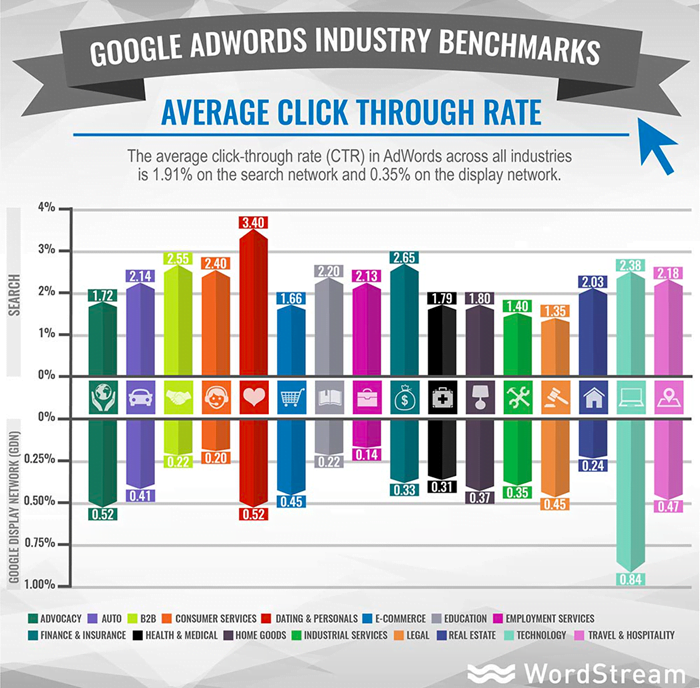
[target2:anchor_exact1]The 2nd concern is addressed by channel and imaginative breakdowns. Which channels are performing above target? Which are below? Where is the CPA coming fromvolume or cost? Is imaginative tiredness noticeable in CTR trends? Is a specific audience segment driving disproportionate results? The 3rd concern is addressed by the action strategy.
Advanced Market Research Tactics for Local Firms
For this to work, the information has to be reliable. That indicates tidy conversion tracking, consistent attribution approach, and UTM structure that allows source-level analysis.
They cover campaign-level efficiency, spend pacing, innovative test results, and any anomalies from the previous week. Weekly reports must be briefa summary scorecard with flagged items, not a 40-page deck.
They cover full-funnel efficiency versus monthly KPI targets, channel-level analysis, innovative efficiency, and audience health. This is where you review the month's experiments, validate what worked, document learnings, and set top priorities for the next month. Month-to-month reports should consist of specific commentary on each major metricnot just the number, however what it implies.
They cover cohort-level analysis, LTV: CAC trends, channel effectiveness gradually, and tactical recommendations for the next quarter. This is the report that goes to your leadership group or board. A company that just provides month-to-month summaries is missing out on the responsibility loop that weekly reporting produces. A firm that just offers weekly channel photos without month-to-month tactical synthesis isn't helping you make resource allowance decisions.
Real-World American Sector Success Reports
How much certified pipeline did performance marketing create this month, and at what cost per chance? CTR, hook rate (for video), conversion rate by innovative.
[target2:anchor_exact1]A firm that surfaces vanity metricsimpressions, follower growth, natural reachwithout the business-level metrics above is obscuring more than they're revealing. The tool matters less than the underlying data quality, but these are the most common reporting platforms you'll encounter.
Limitations: no real-time data mixing, restricted cross-platform attribution. Blends Shopify income with ad platform information to give a clearer attribution image. Multi-touch attribution platform with cross-channel blending.
Attribution is limited to HubSpot-tracked touchpoints, which can undercount paid impact. When evaluating agencies, ask which tool they utilize, who owns the data (you or the company), and what takes place to your reporting gain access to if you terminate the engagement.
Evidence-Based Industry Solutions for High-Growth Markets
How much qualified pipeline did efficiency marketing generate this month, and at what cost per opportunity? CTR, hook rate (for video), conversion rate by imaginative.
Summary of any experiments run in the period with outcomes and recommended actions. These are directly tied to the KPIs your reports should include. A firm that surfaces vanity metricsimpressions, follower development, organic reachwithout the business-level metrics above is obscuring more than they're exposing. The tool matters less than the underlying data quality, but these are the most typical reporting platforms you'll come across.
Limitations: no real-time data mixing, limited cross-platform attribution. Mixes Shopify income with ad platform data to give a clearer attribution image. Multi-touch attribution platform with cross-channel blending.
Analyzing Sector Growth Trends across the United States
Attribution is restricted to HubSpot-tracked touchpoints, which can undercount paid influence. When evaluating firms, ask which tool they utilize, who owns the data (you or the company), and what takes place to your reporting gain access to if you terminate the engagement.
Broken down by channel, campaign, and where possible by lead quality tier. For B2B SaaS with a sales group. How much competent pipeline did performance marketing generate this month, and at what expense per opportunity? CTR, hook rate (for video), conversion rate by imaginative. Which concepts are winning, which are fatiguing.
Summary of any experiments run in the duration with outcomes and recommended actions. These are directly tied to the KPIs your reports should consist of. An agency that surface areas vanity metricsimpressions, fan growth, natural reachwithout the business-level metrics above is obscuring more than they're exposing. The tool matters less than the underlying data quality, but these are the most typical reporting platforms you'll experience.
Flexible for custom-made dashboards. Limitations: no real-time data mixing, limited cross-platform attribution. Mostly for e-commerce. Mixes Shopify profits with ad platform information to give a clearer attribution image. Provides pixel-level tracking and associate analysis. Multi-touch attribution platform with cross-channel blending. More precise than platform-native attribution. Requires a setup duration. Similar to Northbeam.
Helpful when HubSpot is the CRM. Attribution is limited to HubSpot-tracked touchpoints, which can undercount paid impact. Some agencies construct exclusive dashboards that emerge their favored metrics. These can be outstanding or deceptive depending on what's consisted of. When examining companies, ask which tool they utilize, who owns the information (you or the firm), and what happens to your reporting access if you terminate the engagement.

Latest Posts
Evaluating Sector Growth Standards in the US
Future-Proofing Business Strategies for Upcoming Market Trends
Optimizing Marketing Operations Efficiency to Drive ROI